


When Should You Prune Your Trees? A Guide for Oxford & Oxfordshire Homeowners
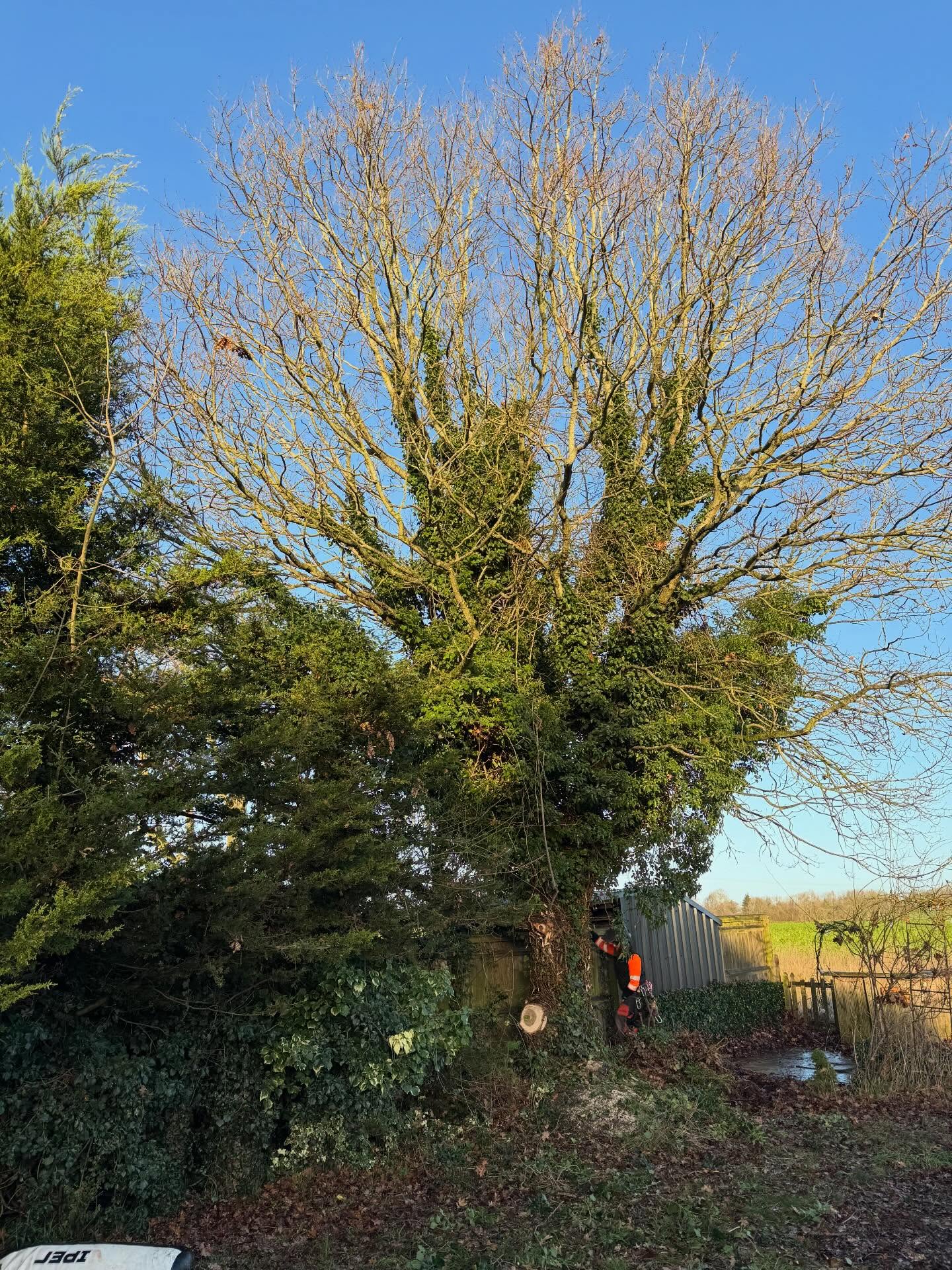
If you’ve noticed branches scraping against your windows, a tree blocking light into your garden, or limbs hanging precariously over a neighbour’s fence, it’s probably time to think about pruning.
Tree pruning is one of the most common — and most misunderstood — aspects of tree care. Done correctly, it keeps trees healthy, safe, and looking their best. Done badly, it can cause lasting damage or even kill the tree.
Why Prune at All?
Trees in the wild manage perfectly well without human intervention. In gardens, along streets and near buildings, pruning is done for:
- Safety: Removing dead, diseased, or storm-damaged branches before they fall
- Light: Letting more sunlight reach your garden, lawn, or windows
- Clearance: Keeping branches away from roofs, gutters, paths, and power lines
- Health: Removing diseased wood to prevent spread, and improving airflow through the crown
- Aesthetics: Maintaining a balanced, attractive shape
A well-pruned tree isn’t just safer: it often grows more vigorously because energy isn’t wasted on dead or competing branches.
When is the Best Time to Prune?
Timing depends on what you’re trying to achieve and which species you’re dealing with.
Winter (November–February)
The traditional pruning season for most deciduous trees. With leaves gone, it’s easier to see the branch structure and identify problems. Trees are dormant, so they’re less stressed by the work, and there’s lower risk of disease transmission.
Best for: Oak, ash, beech, lime, horse chestnut, and most large garden trees.
Late Summer (August–September)
Some species are better pruned after they’ve finished their main growth spurt but before autumn sets in.
Best for: Cherry, plum, and other Prunus species (to reduce risk of silver leaf disease), walnuts, and birch (which “bleed” sap heavily if pruned in winter or spring).
Spring (Avoid if Possible)
Generally the worst time for major pruning. Trees are putting energy into new growth, sap is rising, and many species will “bleed” heavily from cuts. Nesting birds may also be present, and disturbing active nests is illegal under the Wildlife and Countryside Act.
Exception: Light pruning of spring-flowering shrubs immediately after flowering.
Year-Round
Deadwood and hazardous branches can be dealt with at any time of year.
Types of Tree Pruning
When you contact a tree surgery company, they’ll typically discuss these main techniques:
Crown Reduction
Making the overall tree smaller by shortening branches back to suitable growth points. This maintains the tree’s natural shape while reducing its height and spread. Ideal for trees that have outgrown their space or are causing shade problems.
Crown Thinning
Selectively removing branches throughout the crown to let more light through without changing the tree’s size or shape. Popular in Oxford gardens where mature trees block light to period properties.
Crown Lifting
Removing lower branches to increase clearance underneath. Often needed where branches overhang paths, driveways, or obstruct sightlines at road junctions.
Deadwooding
Removing dead, dying, or diseased branches. Essential for safety (deadwood can fall without warning) and tree health.
Pollarding
A more dramatic technique where branches are cut back to the main trunk or a framework of main limbs. Traditionally used on willows and some urban limes. Must be started when trees are young and repeated regularly. Don’t attempt this on a mature tree that hasn’t been pollarded before.
Tree Preservation Orders and Conservation Areas
Before picking up a saw — or hiring someone who will — check whether your tree is protected.
Many trees in Oxford and across Oxfordshire are covered by Tree Preservation Orders (TPOs) or sit within Conservation Areas. Performing unauthorised work on a protected tree can result in fines of up to £20,000.
If your property is in a Conservation Area, you must give your local council (Oxford City Council, Cherwell District Council for Bicester, or the relevant district) six weeks’ notice before carrying out any tree work. For TPO trees, you’ll need formal consent.
A reputable local tree surgeon will advise you on this and can handle the paperwork on your behalf.
Can I Prune My Own Trees?
For small ornamental trees and shrubs that you can reach from the ground with hand tools — secateurs, loppers, a pruning saw — DIY pruning is perfectly reasonable. The key is making clean cuts just outside the branch collar (the slight swelling where the branch meets the trunk), and not removing more than about 25% of the canopy in one go.
However, you should call in a professional tree surgeon if:
- The work requires a ladder or climbing: Falls from height are a leading cause of serious DIY injuries
- Branches are near power lines: Only qualified contractors should work near electrical cables
- The tree is large or mature: Mistakes on big trees are expensive to fix and potentially dangerous
- You’re unsure what to cut: Poor pruning can disfigure a tree permanently or introduce disease
- The tree may be protected: A professional will check TPO status and handle council applications
In Bicester, Oxford, and towns across Oxfordshire, many homes have mature trees that were planted decades ago and have now reached significant size. These aren’t DIY projects.
How to Choose a Tree Surgeon in Oxfordshire
Look for:
- Insurance: Public liability cover of at least £5 million
- Qualifications: NPTC/City & Guilds certificates for chainsaw use and climbing
- Reviews: Recent feedback from local customers
- Written quotes: Detailing exactly what work will be done
- Arboricultural knowledge: They should be able to explain why they’re recommending specific work, not just offer to “chop it back”
Avoid anyone who knocks on your door unsolicited offering cheap tree work. This is a common way rogue traders operate.
The Bottom Line
The right cuts at the right time will keep your trees healthy, safe, and beautiful for decades. The wrong cuts — or cuts at the wrong time — can cause problems that last just as long.
If you’re unsure whether your trees need attention, or you know they do but aren’t confident tackling it yourself, get a professional opinion. Most tree surgeons offer free, no-obligation assessments.
Need tree pruning in Oxford, Bicester, or anywhere in Oxfordshire? Contact us for a free quote.
Need help with your trees?
Our expert arborists are here to help with all your tree care needs.
Get a Free Quote